
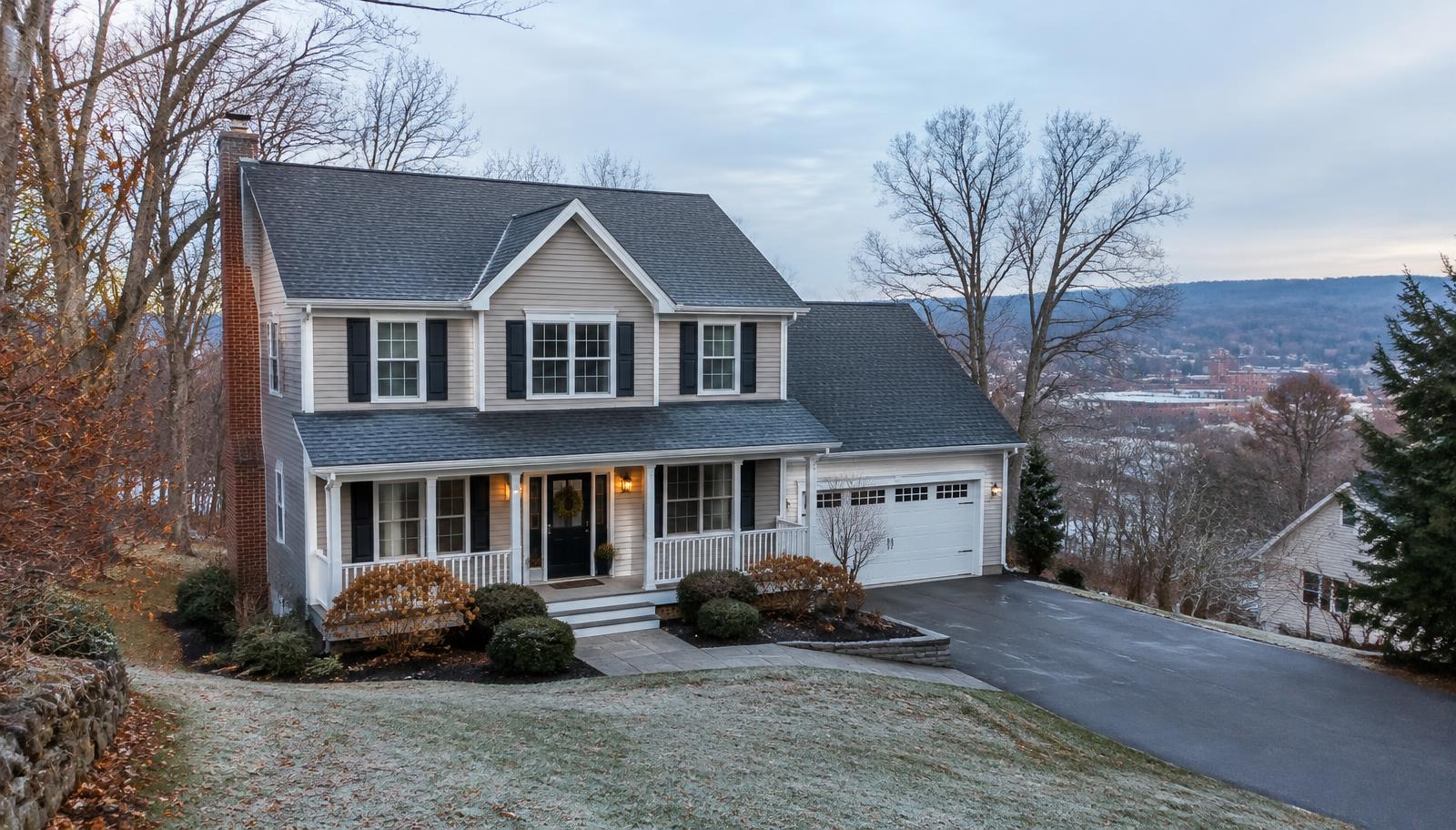
Preparing a roof for winter is much easier before freezing weather arrives. Here are the drainage, ventilation, attic, and flashing checks Fitchburg homeowners should prioritize.
September may feel early to think about snow, but preparing a roof for winter is much easier before freezing weather arrives.
North Central Massachusetts homeowners know how quickly conditions can change once fall is underway. Leaves collect in gutters, nighttime temperatures drop, and eventually roofs have to manage snow, ice, melting water, and repeated freeze-thaw cycles.
The purpose of winter roof preparation is not to predict what the season will bring. It is to make sure known problems are addressed before winter exposes them.
Here are the areas Fitchburg homeowners should prioritize.
Begin With the Roof's Current Condition
A winter-ready roof begins with sound roofing materials.
If shingles are already missing, cracked, lifted, or heavily worn, snow will not improve the situation. The same is true of damaged flashing, deteriorated roof penetrations, and previous repair areas that have started leaking again.
A professional inspection before winter can identify conditions that may be difficult to see from the ground.
This is especially useful if your roof experienced strong summer storms or if you have noticed interior moisture during heavy rain.
Make Sure Water Can Leave the Roof
Drainage becomes especially important during fall and winter.
During autumn, leaves and debris can restrict gutters and downspouts. Later, melting snow and winter rain need somewhere to go.
Blocked drainage can allow water to collect or overflow.
Homeowners should watch for gutters that sag, pull away from the roof edge, overflow during rain, or contain visible debris. Downspouts should also be positioned to move water appropriately away from the house.
Because ladders and roof edges create fall hazards, consider professional help when gutter work cannot be performed safely.
Understand How Ice Dams Develop
Ice dams can form when snow on a roof melts and the water moves toward colder roof edges, where it can refreeze.
As ice accumulates, additional meltwater may have difficulty draining normally.
Several factors can influence the conditions that lead to ice dams, including roof geometry, snow conditions, insulation, air leakage, attic temperature, ventilation, sun exposure, and outdoor temperature.
That is why simply treating the visible ice is not always a complete solution.
If your home has experienced recurring ice dams, it can be useful to evaluate the larger roof-and-attic system before winter.
Pay Attention to Attic Insulation and Air Leakage
Warm air from the living space can enter the attic through gaps around fixtures, penetrations, attic hatches, and other openings.
That can affect attic temperatures and how snow behaves on the roof above.
Insulation and air sealing are separate specialties from many roofing repairs, but they are connected to overall winter roof performance.
If you have recurring winter moisture, uneven snow melting, or ice-dam problems, ask whether attic conditions should be evaluated along with the roofing system.
A whole-home perspective may reveal issues that are not obvious from the exterior.
Don't Assume More Ventilation Is Always Better
Attic ventilation is important, but ventilation needs to be designed appropriately for the home.
Adding vents randomly does not automatically solve a moisture or ice problem and can sometimes interfere with how an existing ventilation system was intended to work.
Intake and exhaust need to function together.
During a roof evaluation, ask whether existing ventilation appears blocked, damaged, or inconsistent with the roofing configuration.
If additional specialized analysis is needed, your contractor can explain the next step.
Check Flashing Before Freeze-Thaw Weather
Flashing directs water away from vulnerable roof transitions.
Areas around chimneys, vents, skylights, walls, valleys, and other roof details deserve attention before temperatures begin cycling above and below freezing.
A small opening that admits rain in September may still be there when snow begins melting during winter.
If you have seen staining near a chimney, ceiling penetration, dormer, or exterior wall, do not wait for snow to investigate it.
Finding and correcting the actual water-entry point is more important than simply covering an interior stain.
Trim Potential Tree Hazards
Heavy wet snow or ice can add weight to tree branches.
If you can see dead, cracked, or unstable limbs above the house, arrange for an appropriate tree professional to evaluate them before winter.
Branches should not continually scrape the roof surface.
Keeping trees in good condition helps reduce one preventable source of roof damage during wind and winter storms.
Never attempt to cut heavy limbs over a roof without the proper experience and equipment.
Check the Attic After Heavy Rain
You do not have to wait for snow to learn something about your roof.
Fall rain can act as an early test.
After a sustained rain, look in safely accessible attic areas for damp wood, moisture around penetrations, wet insulation, or signs that an old leak has become active again.
Finding a problem in September or October can give you more options than discovering it during a snowstorm.
Avoid Risky Winter Roof DIY Work
Once snow and ice arrive, roof work becomes more hazardous.
Homeowners should be cautious about climbing ladders or walking on icy roofs to remove snow, break ice, or investigate leaks.
Improper snow removal can also damage roofing materials.
If winter conditions create a concern, speak with an appropriate professional about safe options based on your home and roofing system.
Preparing early is valuable partly because it reduces the likelihood that you'll feel forced to take unnecessary risks later.
Have a Plan for Existing Roof Problems
If you already know the roof leaks, has missing shingles, or needs substantial work, September is the time to get clarity.
Ask whether the problem is repairable, whether damage appears localized or widespread, and whether other components of the roofing system need attention.
If replacement is being considered, make sure you understand the proposed scope of work and how underlying materials, flashing, ventilation, cleanup, and project details will be handled.
The goal is not simply to get through one more snowstorm. It is to choose an approach appropriate for the actual condition of the roof.
Conclusion: Winter Roof Preparation Starts Before Winter
Massachusetts winter roof preparation is mostly about addressing vulnerabilities while conditions are still manageable.
Inspect the roof, keep drainage functioning, investigate leaks, pay attention to attic conditions, review flashing and ventilation, and take care of dangerous tree limbs before snow arrives.
No homeowner can control the winter weather, but you can control how prepared your property is going into the season.
If you have concerns about your roof in Fitchburg or North Central Massachusetts, contact Red Dog Exteriors to discuss an inspection, roof repair, or replacement options before winter weather arrives.
Talk to a Local Roofer
Red Dog Exteriors works with homeowners and property owners across Fitchburg and North Central Massachusetts. Reach out to discuss an inspection or estimate.